For when your mind won't slow down, and trying harder to calm it only makes it louder.
WHAT ANXIETY CAN LOOK LIKE
Replaying conversations and wondering what people really mean
Lying awake, running through everything that could go wrong tomorrow
Needing reassurance, then needing it again an hour later
Putting off calls, emails, or decisions because they feel too big
A tight chest, racing heart, upset stomach, or tension that won't let go
Panic that seems to come out of nowhere
Feeling responsible for keeping everyone around you okay
A constant fear that you've done something wrong, or that you're never doing enough, including before God
WHY IT STICKS AROUND
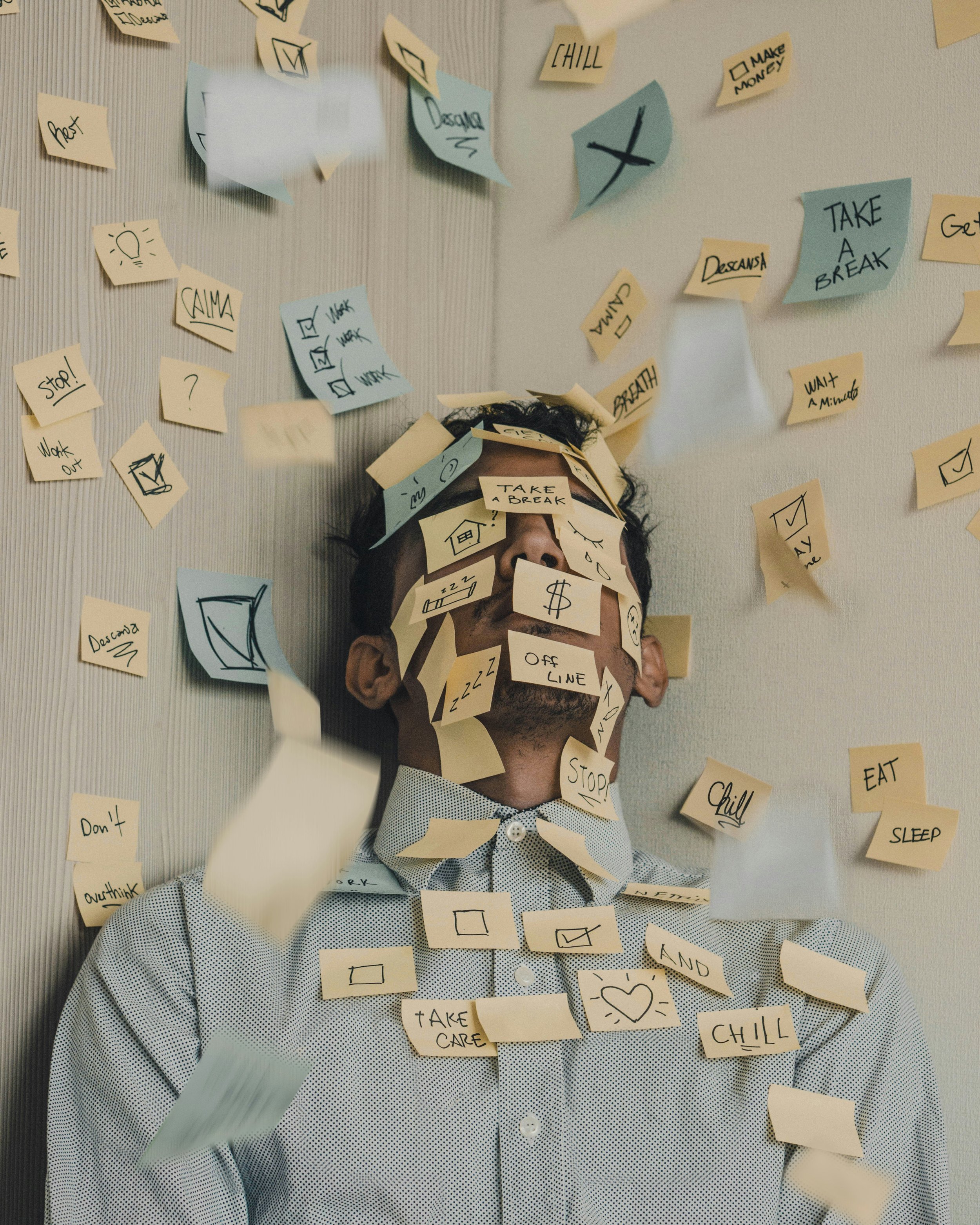
Anxiety is a protector that's working too hard. It scans for danger and tries to keep you safe. The trouble is that the things we do to feel better right away, like avoiding, checking, overplanning, or seeking reassurance, quietly teach the brain that the danger was real. Relief comes fast, and so does the next wave.
That's why anxiety often grows even when you're working hard to manage it. The goal isn't to fight it harder. It's to change your relationship with it..

HOW WE WORK ON IT
Acceptance and Commitment Therapy (ACT)
ACT is one of the most researched approaches for anxiety. Instead of arguing with anxious thoughts, you'll practice noticing them as thoughts and making room for the feeling without letting it steer. Then we get specific about what matters to you and take small steps toward it, even when anxiety comes along.
Calming the body
Practical skills for slowing down your nervous system, practiced in session so they're there when you need them.
Looking underneath
Anxiety usually has a history. We'll look at where you learned that the world wasn't safe, or that your worth depended on getting everything right. Understanding the root loosens the grip.
The bigger questions
Some anxiety is about uncertainty itself: the future, mortality, whether your life is going where it should. That deserves a real conversation, not just a coping skill.
WHAT SESSIONS LOOK LIKE
Early sessions are about mapping your anxiety: when it shows up, what it tells you, what you do in response, and what it has cost you. From there, we'll choose one or two places to start. Most weeks you'll leave with something small to try before we meet again.
WHAT CAN CHANGE
WHEN A DIFFERENT LEVEL OF CARE FITS
I don't prescribe medication. If medication might help, we'll talk about seeing your doctor or a psychiatric provider, and I'm glad to coordinate with them. If anxiety is so severe that daily life has shut down, or you're having thoughts of harming yourself, a more intensive level of care may be the right first step, and I'll help you find it.
QUESTIONS ABOUT ANXIETY THERAPY
Only as much as it helps. Many people find relief from practical tools first. If your anxiety has deeper roots, we'll get there at your pace.
Will I have to talk about my childhood?
Many people notice small shifts within the first couple of months. Deeper change takes longer, and we'll review progress together regularly.
How long does it take?
Yes. For most people, telehealth works as well as meeting in person, and practicing new skills from your own home can make them easier to use in daily life.